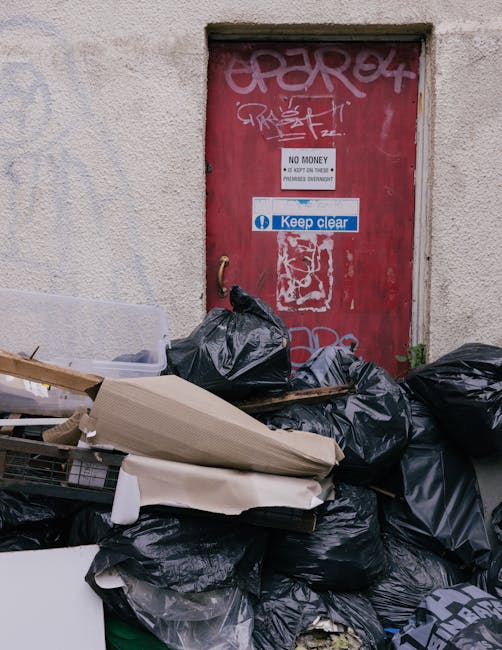
Avoid hidden rubbish removal charges Bracknell: a practical guide to fair pricing
If you are trying to avoid hidden rubbish removal charges Bracknell, you are probably at the awkward stage where a quote looks fine at first glance, then the small print starts to feel a bit slippery. One price online, another price on the phone, and suddenly you are wondering what exactly is included. That frustration is common, and to be fair, it is usually preventable.
This guide breaks down how rubbish removal pricing should work, where extra charges often appear, and what you can do before booking so the final bill stays sensible. We will look at the questions worth asking, the red flags to watch for, and a simple process you can follow whether you are clearing a garage, an office, a flat, or a full property.
The goal is not just to save money. It is to avoid surprises, compare providers properly, and choose a service that feels straightforward from the first quote to the last item lifted.
Why avoiding hidden rubbish removal charges Bracknell matters
Hidden charges are not just annoying; they can make a simple clearance feel like a negotiation halfway through the job. A quote may seem competitive, but if the provider later adds fees for access, labour time, bulky items, waiting time, disposal type, or missed information, the real cost can climb quickly.
That matters even more in Bracknell, where many jobs are a bit more specific than a generic "load and go" service. Think of a first-floor flat with a narrow stairwell, a driveway with restricted parking, or a garden clearance after a long wet week when everything weighs more than expected. If those details are not discussed up front, the price can shift. Not always because someone is being dishonest. Sometimes because the initial quote was simply too vague.
The real issue is predictability. When you are planning a move, handling landlord deadlines, clearing a probate property, or tidying a business site before visitors arrive, you need a number you can trust. No one wants a nice, tidy quote turning into a surprise invoice. Nobody. Not even a little bit.
Clear pricing also makes comparison easier. If one company gives a proper breakdown and another gives you a suspiciously cheerful single figure, the useful quote is usually the one with more detail. A transparent provider will explain what is included, what could change the price, and what happens if the load turns out to be bigger than expected.
Expert summary: the best way to avoid hidden rubbish removal charges is to get the job assessed properly, describe access and waste type accurately, and insist on a quote that explains the full scope in plain English.
How rubbish removal pricing works
Rubbish removal is usually priced around a combination of load size, labour, access, waste type, and disposal cost. The details can vary, but the logic is fairly simple once you know what to ask for.
Most companies look at the volume of waste first. That may be measured by how much of the vehicle is filled, how many cubic yards the load roughly takes up, or whether the job needs a single collection or multiple runs. After that come the practicalities: how easy it is to reach the waste, how far items need to be carried, whether there are stairs, whether parking is close by, and whether the waste includes anything awkward or specialist.
For example, a room full of loose household items is usually easier to clear than a heavy shed load made of broken timber, damp soil, and old metal shelving. Same amount of "stuff" in your mind, very different job in reality. That is one reason broad, over-simple quotes cause problems.
Some charges are legitimate and should not be treated as hidden. If you ask for the removal of an appliance, a mattress, or waste that needs special handling, the cost may be higher because disposal obligations are different. The issue is not extra cost itself. The issue is when the extra cost is not explained before the van arrives.
In a good process, the provider should ask enough questions to narrow the price properly. If they do not ask about access, item type, or approximate quantity, that is a small warning sign. A company that wants to price accurately usually asks more questions than you might expect. That is actually reassuring.
It also helps to know the difference between a quotation and an estimate. A quotation is generally a firm price for a clearly defined job, while an estimate is more flexible and may change if the description was incomplete. If a provider uses the word estimate, make sure you understand the limits. A vague estimate is where those surprise costs tend to creep in.
Key benefits and practical advantages
When you take pricing seriously at the start, you get more than a cleaner bill. You get a smoother job overall.
- Better budgeting: you know what the clearance will cost before anyone starts lifting.
- Less stress: no awkward "that will be extra" conversation at the doorstep.
- Cleaner comparisons: you can judge providers on value, not just on headline price.
- Faster decisions: when the quote is clear, you can book with confidence.
- Fewer disputes: both sides understand the job and the price from the outset.
- More suitable service choice: you can match the provider to the job type, whether that is house clearance, office clearance, or something more specific.
There is also a practical knock-on effect. Transparent pricing often goes hand in hand with better planning, and better planning usually means the collection is quicker and tidier. You will notice the difference if you have ever watched a team work from a clear brief versus one that is guessing what is where. One is calm. The other is a bit chaotic, and yes, the driveway ends up looking like a temporary obstacle course.
For larger or mixed loads, honest pricing also helps with waste segregation. If a provider knows what is being collected, they can decide what may be recyclable, what needs separate handling, and whether any items require special disposal routes. That can support services like recycling and sustainability and reduce avoidable disposal cost.
Who this is for and when it makes sense
This approach is useful for almost anyone booking a clearance, but it is especially valuable if your job is not a simple one-bag pickup.
- Homeowners clearing clutter before a sale, renovation, or family event.
- Landlords and letting agents dealing with a property between tenancies.
- Business owners moving stock, furniture, archive waste, or office contents.
- Tradespeople needing builder's waste moved without a last-minute price jump.
- Families handling bereavement or probate clearances where the volume is hard to judge at first glance.
- People with limited access such as flats, basements, shared entrances, or tight parking.
If you have only a few light bags, a firm quote is easier to pin down. If you have a mix of bulky furniture, wet garden waste, white goods, and misc items in a loft, a bit more detail is needed. That is where hidden charges commonly appear: not in the work itself, but in the assumptions around it.
It also makes sense when you are comparing different job types. A domestic clearance and a business clearance can look similar from the outside, but the logistics are often very different. For commercial sites, a transparent provider should be able to talk you through business waste removal and any practical limits before collection day.
Step-by-step guidance
Here is a simple process you can follow to reduce the risk of surprise costs.
- List what needs removing. Be specific. Say "two sofas, one mattress, three black bags, a broken desk, and a small fridge" instead of "a bit of waste".
- Note the access conditions. Mention stairs, parking, narrow hallways, side entrances, long carry distances, basement access, or anything else that slows the job down.
- Separate the unusual items. Appliances, hazardous materials, confidential papers, and bulky furniture may need special handling. If you know that in advance, say so.
- Ask what the quote includes. Check whether labour, loading time, disposal, congestion-related access issues, and recycling costs are built in.
- Ask what could change the price. A proper provider should explain the few situations that might alter the final bill. If they cannot name any, that is not confidence-inspiring.
- Confirm the booking in writing. Keep the price, scope, date, and any assumptions documented.
- Walk the team through the load on arrival. A two-minute check can prevent a twenty-minute argument later.
One useful habit is to take a few photos before booking. A quick phone picture of the waste pile, the route to the collection point, and any awkward access helps the quote become more accurate. It is not fancy, just practical. And practical wins.
If you are booking ahead, ask about payment terms too. A trustworthy provider should be able to explain methods, timing, and any security measures. Their payment and security information should make sense without making you feel like you need a law degree.
Expert tips for better results
These are the small things that usually make the biggest difference.
- Be honest about volume. Understating the amount is the fastest route to a revised quote.
- Describe the heaviest items. A load of small bags and a load with one cast-iron bath are not priced the same. Bit obvious, but it gets missed.
- Mention wet or contaminated waste. Damp garden waste, soil, paint-stained materials, or mixed rubble can affect handling.
- Ask about mixed loads. Some jobs contain a bit of everything, and mixed loads can be more complex than they first look.
- Check whether the company is insured. You do not want to be discovering liability issues halfway through a doorway scrape.
- Keep access clear. A tidy path can save time and keep the visit efficient.
- Separate items you want to keep. It sounds simple, but in a rush, everything starts to look suspiciously similar.
If the clearance includes furniture, it may help to browse the relevant service pages first, especially furniture clearance and furniture disposal. That gives you a better idea of how bulky items are usually handled and what to flag in your quote request.
For more specialised items, it is worth checking whether separate handling is needed. Things like white goods, mattresses, or sofas may not fit the same pricing pattern as general waste. If that applies to your load, a service such as fridge and appliance removal or mattress and sofa disposal may be more relevant than a generic collection.
Common mistakes to avoid
This is where many people accidentally create their own hidden charges. Not on purpose, obviously. But the result is the same.
- Giving only a rough description. "Some rubbish" is not enough for an accurate price.
- Forgetting access details. Steps, parking, lifts, and shared corridors all matter.
- Assuming every item is treated the same. Furniture, appliances, waste bags, and special items may be priced differently.
- Not checking what is excluded. Exclusions matter more than marketing copy.
- Choosing the cheapest headline price only. The lowest quote can become the highest bill if the extras stack up.
- Skipping written confirmation. Verbal agreements are easy to misunderstand.
- Leaving the team to discover the waste type on arrival. That is how pricing disagreements start.
Another common mistake is confusing speed with clarity. A very fast quote is not always a good quote. Sometimes it is just a rushed one. If a provider can somehow price a full property clearance in thirty seconds without asking any questions, be cautious. That is not efficiency; that is guesswork wearing a nice coat.
Tools, resources and recommendations
You do not need special software or complicated spreadsheets. A few simple tools are usually enough.
- Phone camera: take photos of the waste, the access route, and any items that may need specialist disposal.
- Short written inventory: list the main items and rough quantities.
- Measuring tape or rough room estimate: helpful for lofts, garages, and bulky furniture loads.
- Note app or checklist: useful when comparing more than one provider.
- Quote comparison table: compare scope, not just price.
If you are planning a larger clearance, look at related pages that match the job type. A loft full of forgotten boxes is a different beast from a garden stack after a stormy weekend. For those jobs, loft clearance, garden clearance, or garage clearance can help you understand what details matter before booking.
For office or sensitive material, the price conversation should also include confidentiality and security. If you are disposing of paper records, a service like confidential shredding may be the safer route than a standard mixed-clearance quote.
Law, compliance and best practice
Pricing transparency is only one part of a sensible clearance service. The other part is doing the job responsibly. In the UK, waste should be handled and disposed of properly, and the person producing the waste should think carefully about who is taking it away. That is not something to gloss over.
A reputable provider should be able to explain how waste is sorted, where recyclable material goes, and how different waste types are managed. If hazardous materials are involved, they should say so clearly and avoid treating them like ordinary rubbish. That is especially important for chemicals, solvents, sharp materials, and anything that needs particular care. If that is relevant, see hazardous waste disposal for the type of service you may need.
Good practice also means checking insurance, safe handling procedures, and site behaviour. If a company works carefully around stairs, doorways, communal areas, and lifting risks, that is a good sign. Their insurance and safety information should give you confidence before the booking, not after a mishap.
For builders and renovation jobs, compliance can get messy quickly if waste is mixed, left on site, or booked too casually. A proper builders waste clearance arrangement should be discussed with the same level of detail as any domestic job. Maybe more, if anything.
One final point: terms and conditions matter. Not in a boring, fine-print way, but in a practical sense. They should explain how the quote is formed, what counts as a change in scope, what happens if items differ from the description, and how disputes are handled. If the terms are written clearly, that is usually a good sign that the company respects the customer.
Options and comparison table
Different waste removal options suit different situations. A quick comparison helps you choose the one least likely to produce surprise costs.
| Option | Best for | Pricing style | Hidden-charge risk | Notes |
|---|---|---|---|---|
| Fixed-price rubbish removal | Clearly described loads and straightforward access | Quoted in advance | Low if the job is described well | Best when you can list items accurately |
| Estimate-based clearance | Jobs with uncertain volume | Flexible, may change | Medium | Useful if you need a rough starting point |
| Specialist item removal | Appliances, mattresses, sofas, or awkward objects | Often item-based | Low to medium | Check handling and disposal details first |
| Full property clearance | House moves, bereavement, end-of-tenancy, or large declutters | Usually assessed by load and labour | Medium if access is not explained | Good when the scope is agreed in advance |
If you are comparing a few companies, do not just ask "How much?" Ask what is included, what could change, and how they handle the actual collection day. That three-part question filters out a lot of fluff very quickly.
Real-world example
Picture a typical Friday morning in Bracknell. A landlord needs a two-bedroom flat cleared before new tenants move in. The flat includes a sofa, two wardrobes, a broken bed base, several black bags, and a few bits of kitchen clutter. On paper, it sounds simple.
Then the details emerge. The flat is on the second floor, the lift is out of service, parking is limited, and the bulky items need to be taken down a narrow stairwell. Suddenly, a vague quote is not enough. If those details were left out, the provider might arrive expecting a quick job and need to reprice it on the spot.
The better approach would have been a short inventory, two or three photos, and a note about the stairs and parking before booking. That would let the provider give a proper price and send the right team. In practice, the job would probably still take the same amount of time, but without the drama. And honestly, the lack of drama is the real luxury.
A similar thing happens with home clearances. A loft that looks like a few boxes from below can turn into bags, old books, broken suitcases, and mystery items from three different decades. If that sounds familiar, a dedicated home clearance or flat clearance service can be easier to price accurately than a generic waste collection.
Practical checklist
Use this before you accept any quote.
- Have I listed the main items clearly?
- Have I included approximate quantities or bag counts?
- Have I described stairs, parking, access, and carry distance?
- Have I mentioned any heavy, fragile, or specialist items?
- Do I know whether labour is included?
- Do I know what could trigger an additional charge?
- Have I asked whether the quote is fixed or estimated?
- Is the price confirmed in writing?
- Have I checked the provider's terms, safety, and payment information?
- Does the company explain how waste is handled after collection?
If you can tick most of those off, you are in a much stronger position. Simple, really.
Conclusion
Hidden rubbish removal charges usually appear when a job is described too loosely, access is underestimated, or the quote leaves too much open to interpretation. The good news is that most of that risk can be removed with a bit of planning and a few direct questions.
In Bracknell, as anywhere, the best value is not always the cheapest line on the screen. It is the quote that explains what is included, what may change, and how the provider will handle the job on the day. If you take a few minutes to prepare photos, item lists, and access details, you can avoid most of the stress before it starts.
And that is the real win here: a clearer bill, a calmer collection, and one less thing hanging over your week.
If you are ready to arrange a straightforward clearance, explore the relevant service information and make sure the quote is clear before you book. A little care now can save a lot of hassle later.
Get a free quote today and see how much you can save.
Frequently Asked Questions
How do I avoid hidden rubbish removal charges in Bracknell?
Give a full description of the waste, mention access details, ask what the quote includes, and get the price confirmed in writing. The clearer the brief, the lower the chance of surprise costs.
What should a rubbish removal quote include?
A good quote should explain labour, loading, disposal, access assumptions, and any exclusions. If anything unusual could affect the cost, that should be stated upfront.
Why do rubbish removal prices change on arrival?
Usually because the actual job differs from the description. Common reasons include more waste than expected, difficult access, extra heavy items, or waste that needs separate handling.
Is a fixed price better than an estimate?
For a clearly described job, a fixed price is usually easier to trust. An estimate can still be useful, but it should come with clear conditions so you understand what might alter it.
Do stairs and parking affect the cost?
Yes, they often do. Extra carrying time, awkward access, or restricted parking can increase labour and make the collection more complex.
Are appliances and mattresses priced differently?
They can be. Items like fridges, mattresses, and sofas may need different handling or disposal routes, so it is best to mention them separately when asking for a quote.
Should I send photos before booking?
Yes, if possible. Photos help a provider judge volume, access, and item type more accurately, which usually leads to a better quote.
What if I have mixed waste from a renovation?
Say so clearly. Mixed loads can include timber, plasterboard, rubble, packaging, and general rubbish, and that combination may affect pricing and handling.
Can I compare rubbish removal companies just by price?
You can, but you should not. Compare what is included, whether the price is fixed or estimated, and how clearly each company explains exclusions and extra charges.
What if the company's terms are unclear?
That is a warning sign. If the terms, payment details, or pricing rules are vague, it is safer to ask more questions or look elsewhere.
Is waste removal different from house clearance?
Yes. Waste removal usually focuses on taking away specific rubbish, while house clearance may involve a broader job that includes furniture, mixed items, and more detailed planning.
When does it make sense to book a specialist service?
When the items are bulky, sensitive, or awkward. For example, office contents, confidential papers, appliances, and furniture often benefit from a more specific service than a generic collection.