Commercial Waste in Bracknell

Commercial waste in Bracknell needs a practical, dependable approach that keeps work moving while surplus materials are cleared away responsibly. Our service is built around the day-to-day needs of offices, shops, workshops, hospitality premises and other business settings that generate mixed waste streams, bulky items or recurring rubbish that will not fit an ordinary collection. The emphasis is on sensible handling, clear communication and disposal routes that suit the type of material involved.
We deal with a broad range of business waste tasks, from routine clear-outs to one-off removals linked to refurbishments, relocations or stock changes. Where items can be separated for recycling, that is handled as part of the process; where materials need more careful treatment, they are managed with the appropriate care. If you are looking for a straightforward way to organise commercial waste removal in Bracknell, this page sets out the main options.
For a tailored quotation, it helps to have a clear idea of the waste type, the amount involved and any access considerations. Tell us what needs removing, and we can assess the most suitable approach before any work is arranged. Use the contact route that suits you best if you would like to begin with a brief description of the job.
Business Waste Removal for Everyday Commercial Premises
Business waste removal covers the regular and occasional material that builds up across commercial premises: packaging, office clutter, damaged stock, old fittings, non-confidential paperwork, display items and general junk that no longer serves a purpose. A well-planned collection keeps these materials moving out of the way without creating disruption for staff or customers. The work can be adapted to back rooms, storage areas, loading points and other practical access routes.
For many businesses, the main decision is not whether waste should be removed, but how to separate the load so disposal is efficient and sensible. Mixed loads are often possible, although separating recyclable materials, reusable items and heavier disposal waste can make the process easier to manage. Business waste removal is a natural fit when the job involves regular commercial rubbish rather than a one-off household clear-out. If you would like a direct estimate, request a quotation in plain terms and include the basic job details.
What this service can cover
The service can be used for a wide range of commercial clearances, depending on the premises and the materials involved. In practical terms, that often includes office furniture that is no longer needed, cardboard and packaging, broken equipment that is not suitable for repair, shop fittings and general waste from stockroom changes. It is also useful when a business needs to empty part of a unit without stopping the rest of the operation. Share the scope of the work clearly and you will get a more accurate response.
Office and Workspace Clearance
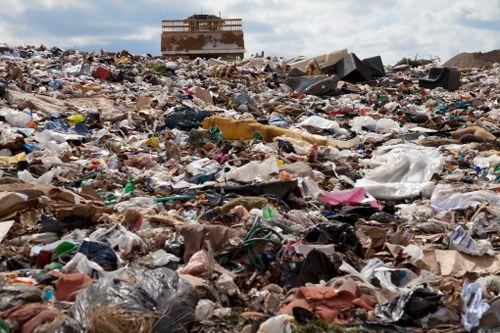
Office clearance is often about restoring usable space while keeping the process orderly. Desks, chairs, pedestals, shelving, filing units, reception furniture and loose office contents can usually be removed in a planned sequence so that the area is left ready for its next stage. This kind of clearance suits businesses that are downsizing, moving, reconfiguring a layout or dealing with accumulated surplus items that have outgrown the room available.
Office clearance is especially helpful when the waste includes a mixture of furniture, light fixtures, small equipment and ordinary office clutter. Where there are items that may be suitable for reuse or recycling, these can be separated from material that must be disposed of. That makes the process more efficient and keeps the focus on the items that really need taking away. If you are ready to move forward, ask for a quotation and outline the quantity as clearly as you can.
There are a few sensible details that help with office jobs. A quick inventory of the main items, a note about stair access or lifts, and an indication of whether the clearance needs to be carried out around business hours can all make planning easier. It is also useful to mention any items that must be handled carefully, such as mixed materials or awkwardly shaped furniture. Simple information at the start helps the next step run more smoothly.
Furniture Disposal and Reusable Items
Furniture disposal is a common part of commercial waste work because offices, receptions, staff rooms and customer-facing spaces often replace items before they are physically worn out. Tables, chairs, cabinets, shelving, sofas and similar items can be removed when they are no longer needed or when a change in layout has made them surplus to requirements. The important question is how each item should be handled, particularly when it is bulky, awkward or made from multiple materials.
Furniture disposal becomes more straightforward when the load is sorted by item type and condition. Some pieces may be suited to reuse channels, while others belong in disposal routes that separate wood, fabric, metal and mixed components where possible. This is one reason why furniture work is best described accurately at the enquiry stage. Tell us whether the job involves a few items or a larger batch and request a quotation in the usual way.
For businesses, the practical benefit of managing furniture removal properly is that the space can be put back into use without cluttering corridors, fire exits or storage areas. That matters just as much in compact premises as in larger offices or trading units. If the work includes dismantling, stacking or carrying pieces from upper floors, those points should be mentioned early so the collection can be planned around them.
Flat, House and Home Clearance for Mixed Waste
Although the focus here is commercial waste, some business customers also need clearance work that resembles domestic removal, especially where residential-style furnishings, mixed contents or long-accumulated items are involved. Flat clearance, house clearance and home clearance can all be relevant when the job includes larger household-type pieces alongside general waste. These services are useful for landlords, agents, property managers and businesses dealing with mixed contents in occupied or vacated spaces.
Flat clearance can be relevant where access is tighter, stairs matter or items are grouped into a smaller footprint. House clearance and home clearance suit fuller property clearances where the contents need to be removed in stages. The practical aim is the same: clear the space properly, separate suitable materials where possible and keep the removal process organised. If your job sits between commercial and residential categories, a clear description will help shape the quotation.
These clearances often involve a mixture of furniture, soft furnishings, general bagged waste, broken appliances and miscellaneous contents. Because the mix can vary a great deal, it is worth being precise about what is included and what is not. That avoids confusion and helps determine whether the waste can be grouped into one collection or should be treated as several parts of a larger job.
How We Handle Different Waste Types

Commercial waste is rarely limited to one neat category. A single premises may have paper, packaging, broken fittings, old equipment, outdated furniture and heavier debris from maintenance work. The service therefore needs to account for both the type of material and the way it is stored. We plan around the actual load rather than assuming that every job looks the same, which helps keep the removal suitable to the material involved.
Recycling and sustainability is relevant wherever materials can be separated for a more responsible route. That may include cardboard, metals, selected plastics and other items that can be diverted away from general disposal where appropriate. For waste that needs specialist handling, the correct route depends on what the item is and how it is classed. If you are unsure how to describe the waste, a short written summary is usually enough to start the conversation.
Common categories within a commercial load
It is useful to think of the job in categories rather than as one undifferentiated pile. Typical categories include office furniture, shop fixtures, light refurbishment waste, garden-related commercial waste, confidential material sent for shredding, and appliance or fridge removal where the items are no longer serviceable. Each category affects how the load should be handled, what equipment may be useful and whether any extra care is needed for sorting, carrying or disposal.
Specialist Disposal for Larger or More Sensitive Items
Some waste needs a more specific approach than ordinary general clearance. Bulky furniture, damaged appliances, heavy fittings and certain restricted materials all require careful planning so they can be moved and processed appropriately. That is true whether the work is taking place in a shop, office, unit, storage room or other commercial setting. The main point is to match the method to the item rather than forcing every removal into the same pattern.
Fridge and appliance removal is useful when a business is replacing cold storage or other electrical equipment. Mattress and sofa disposal covers bulky soft furnishings that often need separate handling, while hazardous waste disposal applies to material that cannot simply be mixed in with ordinary rubbish. If any of these are part of your clearance, mention them plainly and request a quotation based on the full list of items.
There can also be situations where the waste is defined by its condition rather than its type. Wet, damaged or contaminated items may need to be separated from cleaner materials. In other cases, the key issue is access: a heavy appliance on an upper floor or in a tight service area may need a different plan from a similar item in a ground-floor storeroom. Accurate detail at the outset is more useful than trying to simplify the job too much.
About Bracknell
Bracknell is a town in Berkshire that developed from a small settlement into a planned post-war centre, and much of its present character reflects that layered history. The town sits within the Blackwater Valley area and is known for the contrast between older surrounding countryside and the more modern town centre, which has been redeveloped in stages over the years. Bracknell Forest forms the wider local authority area, with the town acting as its principal urban focus. Within the built-up area, the street pattern, retail core and residential districts show the influence of twentieth-century planning, while nearby villages and green spaces preserve a more traditional landscape setting. The town is closely associated with The Lexicon shopping and leisure district, which has helped reshape the centre in recent years, and with surrounding woodland, parks and paths that make the area feel open despite its commercial and residential growth. South Hill Park, a notable arts and event venue set in landscaped grounds, is one of the better-known local landmarks, while Bracknell and the wider area also benefit from easy access to woodlands such as Swinley Forest. The town’s location on the edge of the Thames Valley, together with transport links to nearby Reading, Wokingham and Ascot, has long supported its role as a working place as well as a residential one. This mixture of modern development, green edges and civic facilities gives Bracknell a clear identity that is distinct from nearby historic towns, yet still connected to the wider Berkshire landscape.
When local businesses want a simple way to clear unwanted material, it helps to know the difference between routine waste, reusable items and anything requiring careful separation. That is why our service is organised around the nature of the load rather than a one-size-fits-all assumption. Commercial waste removal in Bracknell can involve several distinct steps, and being precise about the items involved makes those steps easier to plan. If your enquiry includes mixed materials, mention them together so the response reflects the whole job.
Use one short message to cover the essentials: what needs removing, roughly how much there is, and whether access or timing has any limits. If the clearance relates to offices, stockrooms, retail areas or a property with bulky contents, that detail is especially helpful. You can also note whether the job is a single visit or part of a wider programme of waste removal. Ask for a quotation when you are ready, and include the key points so the answer is meaningful.
Clearance for Lofts, Garages and Garden Areas

Commercial premises do not always generate waste only from the main working floor. Storage lofts, garages, yards and garden areas can accumulate old equipment, packaging, broken fixtures and unwanted items that need to be removed in a tidier, more deliberate way. These spaces are often awkward because they combine restricted access with objects that have been left for a long time, so the work benefits from careful planning and sensible sorting.
Loft clearance and garage clearance are useful where goods have been stored above or beside the main premises and now need to be taken out in an orderly way. Garden clearance can support commercial properties with outdoor areas, yard edges or planted spaces that need old materials, branches or general outdoor waste removed. If these are part of a larger commercial job, they can be included in the same quotation where appropriate.
These clearances often involve a mixture of hand-carry work, bagged rubbish and heavier items that have been left out of sight for some time. The more precise the description, the easier it is to judge what should be taken, what can be separated and whether anything has to be handled in a specific order. That applies equally to storage areas in business units and to back-of-house spaces in trading premises.
Planning the Work and Requesting a Quotation
Commercial waste work is usually easier to price when the main facts are known up front. The volume of material, the type of items, the presence of heavy or awkward pieces and the access route all influence the planning. A concise description is often enough: a few photographs, a note on the number of rooms or areas involved and a reminder of any timing restrictions can give a much clearer picture than a vague summary. If the waste is sensitive, such as confidential papers, be sure to identify that separately.
Confidential shredding is relevant where business paperwork or records need secure treatment rather than ordinary disposal. It suits situations where documents contain private, client-facing or commercially sensitive information that should not simply be thrown away with general waste. The more specific you are about the kind of material involved, the easier it is to match the service to the job. When you are ready, use the quotation route and include the relevant details in one message.
- State the main location or rooms involved.
- List the waste types, especially any bulky or sensitive items.
- Note access details such as stairs, lifts, loading points or parking restrictions.
- Mention whether the removal needs to work around opening hours or site activity.
More Ways to Manage Business Waste
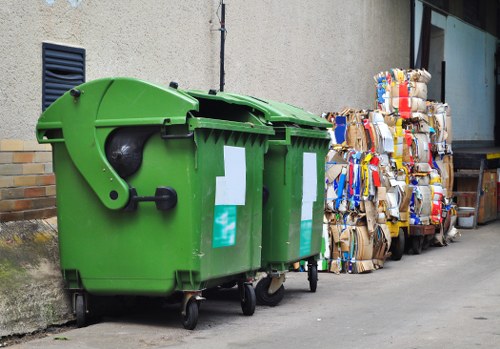
Some commercial jobs sit alongside planned maintenance, fit-outs or periodic tidy-ups rather than a one-off clear-out. In those cases, it can help to think beyond a single removal and consider whether the waste needs to be grouped by area or by item type. That might mean separating office contents from kitchen or staff-room items, or keeping appliance disposal separate from ordinary rubbish. A bit of structure at the start often saves time later.
Builders waste clearance is relevant where a business premises has been altered or repaired and the waste includes rubble, packaging, offcuts or materials from light building work. Waste removal is a broader option when the job does not fit one narrow category and instead requires a general commercial collection. If you want to compare services, these pages can help you decide which description matches the work most closely.
The final step is simple: send a clear summary and request a quotation. If the job involves a mixture of items, say so rather than trying to simplify it into one label. That makes it easier to respond with a practical plan and a fair assessment of the work. When you are ready to proceed, use the contact route and include the essentials in your first message.